PPI, CORP.
113-945-515GBR VW 3-Prong Brake Light Switch - 1967-1979 Beetle & Bus
113-945-515GBR VW 3-Prong Brake Light Switch - 1967-1979 Beetle & Bus
Couldn't load pickup availability
3-Prong Hydraulic Brake Light Switch – 113-945-515GBR
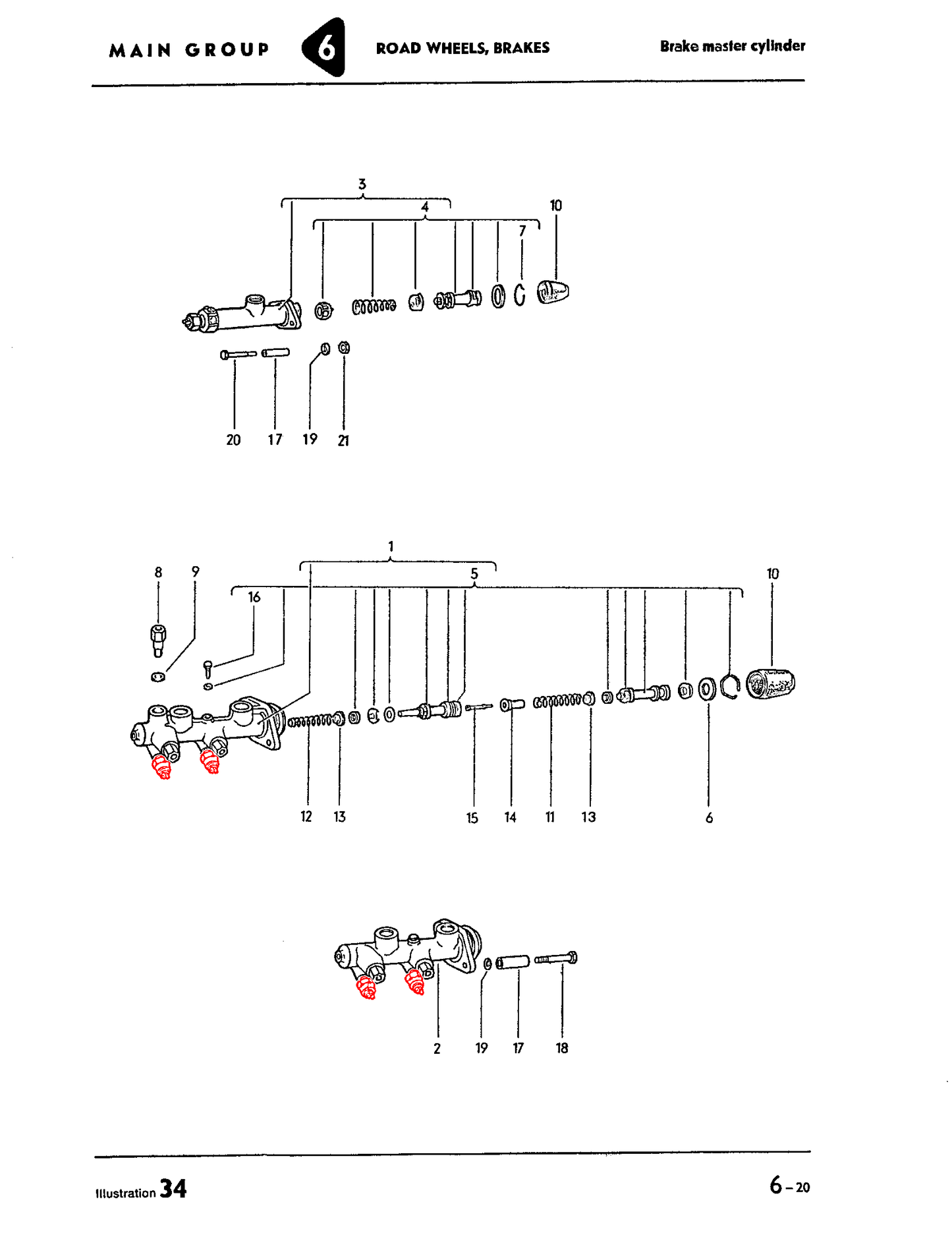
The 113-945-515GBR is the standard replacement for most Volkswagens produced between 1967 and 1979. Unlike the earlier 2-prong versions, this 3-prong switch is integral to the safety-monitoring system of the car. When used in pairs on a dual-circuit master cylinder, these switches allow the vehicle to monitor the health of the braking system; if one switch closes before the other due to a leak or air in the line, the "Brake" warning light on your dash will trigger (If still present and wired correctly).
Because these switches live in a high-heat, high-pressure environment, the internal parts can eventually fail. This Brazilian-made unit provides a dependable fix for common issues like "always-on" brake lights or a total failure to illuminate.
Detailed Vehicle Compatibility
VW Beetle (Standard):
- 1967, 1968, 1969, 1970, 1971, 1972, 1973, 1974, 1975, 1976, 1977
VW Super Beetle:
- 1971, 1972, 1973, 1974, 1975, 1976, 1977, 1978, 1979
VW Bus (Type 2 / Transporter):
- 1967, 1968, 1969, 1970, 1971, 1972, 1973, 1974, 1975, 1976, 1977, 1978, 1979
VW Karmann Ghia:
- 1967, 1968, 1969, 1970, 1971, 1972, 1973, 1974
VW Thing (Type 181):
- 1973, 1974
VW Type 3:
- 1967, 1968, 1969, 1970, 1971, 1972, 1973
Product Highlights & Features
-
Direct Thread-In Fitment: Uses the standard M10 x 1.0 thread pitch, making it compatible with original and aftermarket dual-circuit master cylinders.
-
Warning Light Compatible: The third terminal is dedicated to the terminal 81a circuit for the brake failure warning lamp.
-
Corrosion Resistant: Features a plated body to protect against road salt and moisture under the vehicle chassis.
Technical Specifications
-
Part Number: 113-945-515GBR
-
Terminals: 3 (Male Spades)
-
Thread Pitch: M10 x 1.0
-
Operation: Hydraulic (Normally Open)
Installation & Maintenance Tips
-
Quick Swap Method: You can often replace this switch without bleeding the entire brake system. Have the new switch ready, unscrew the old one, and quickly thread the new one in. Only a tiny amount of fluid will escape.
-
Clean Terminals: Before plugging in your wiring harness, ensure the female spade connectors are clean. Corroded connectors are the leading cause of "dim" or flickering brake lights.
-
Avoid Over-Tightening: The switch uses a tapered thread to seal. Tighten it until it is firm; over-cranking can crack the master cylinder housing or strip the soft threads on the switch.
330
113945515GBR
Share