IMC, CORP.
191-419-811 VW Left Outer Tie Rod End - Golf Jetta Corrado Passat
191-419-811 VW Left Outer Tie Rod End - Golf Jetta Corrado Passat
Couldn't load pickup availability
Left Outer Tie Rod End – 191-419-811
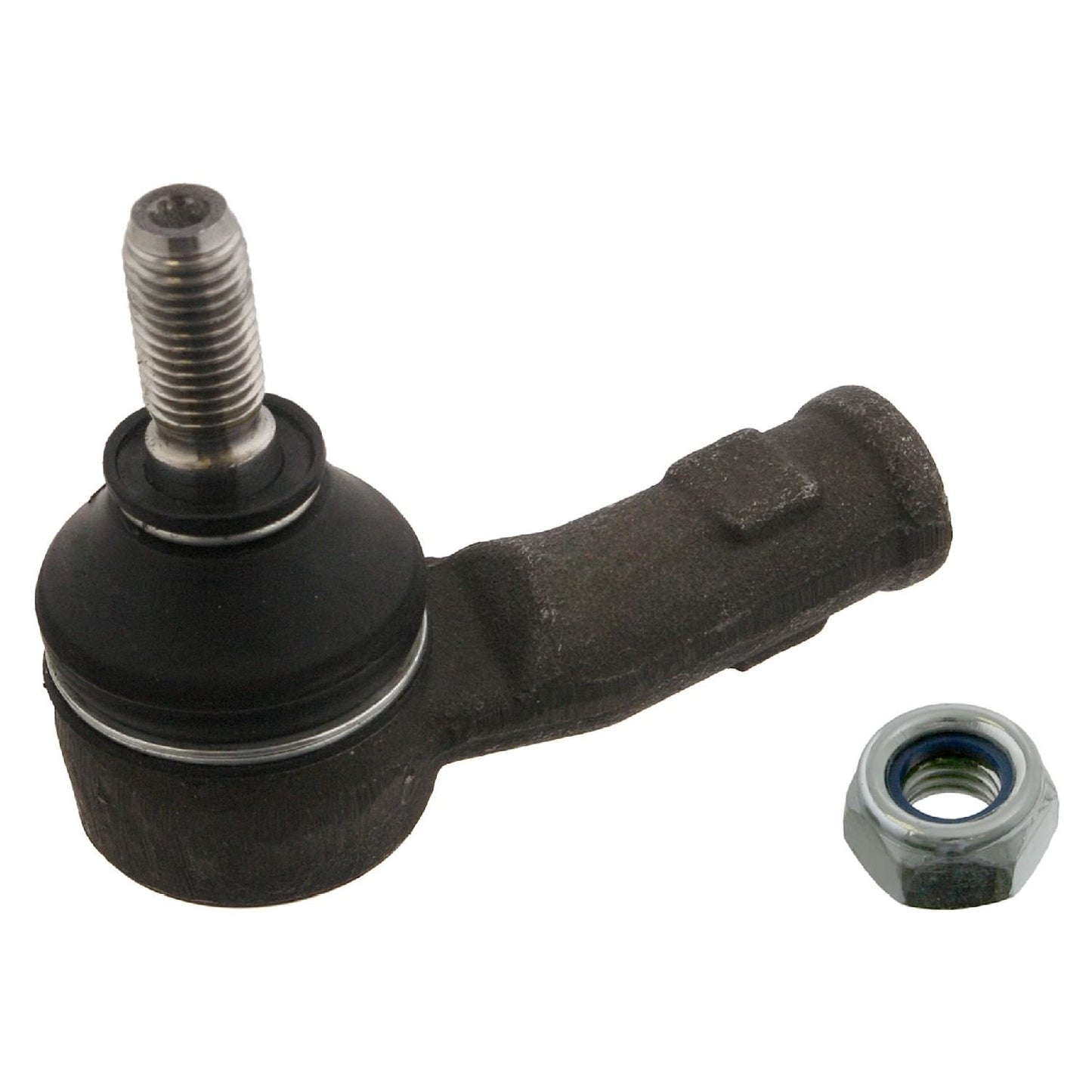
The 191-419-811 is the primary steering link for the driver's side of your vehicle. It features a high-tensile steel housing and a greased ball joint protected by a durable rubber dust boot. Over time, road grit and constant vibration wear down the internal ball joint, leading to a "clunking" sound or a "wandering" sensation while driving.
This part is specifically threaded for the left side and includes the necessary self-locking nut for a secure installation. It is engineered to match original factory specifications for thread pitch and ball joint taper, ensuring a seamless replacement of the original equipment.
Detailed Vehicle Compatibility
VW Cabrio:
1995, 1996, 1997, 1998, 2000, 2001, 2002
VW Corrado:
1990, 1991, 1992, 1993, 1994
VW Golf:
1985, 1986, 1987, 1988, 1989, 1990, 1991, 1992, 1993, 1994, 1995, 1996, 1997, 1998, 1999, 2000, 2001, 2002
VW Jetta:
1983, 1984, 1985, 1986, 1987, 1988, 1989, 1990, 1991, 1992, 1993, 1994, 1995, 1996, 1997, 1998, 1999
VW Passat:
1990, 1991, 1992, 1993, 1994, 1995, 1996, 1997
Product Highlights & Features
-
Forged Steel Body: Provides maximum strength and resistance to deformation under heavy cornering loads.
-
Sealed Dust Boot: High-grade rubber boot keeps contaminants out and lubricant in, extending the service life of the ball joint.
-
OEM Thread Pitch: Ensures a perfect match with your existing inner tie rod, allowing for precise toe adjustments during alignment.
Technical Specifications
-
Part Number: 191-419-811
-
Side: Left (Driver Side)
-
Thread Type: Female
-
Hardware Included: Self-Locking Nut
Installation & Maintenance Tips
-
Count the Revolutions: When removing the old tie rod end, count exactly how many full rotations it takes to unscrew it. Screw the new one on the same number of turns to keep your alignment close enough to drive to a shop.
-
Check the Inner Tie Rods: While the outer end is removed, inspect the inner tie rod for any "play" or movement. If the inner rod is loose, the alignment will never be perfect.
-
Anti-Seize: Apply a small amount of anti-seize to the threads of the inner tie rod before installation to ensure the part can be easily adjusted in the future.
03583
Share